Snoring Lab
As per the American Academy of Otolarynglolgy 45% of the males have s snoring problem of variable degree.
What is
snoring..? The noisy
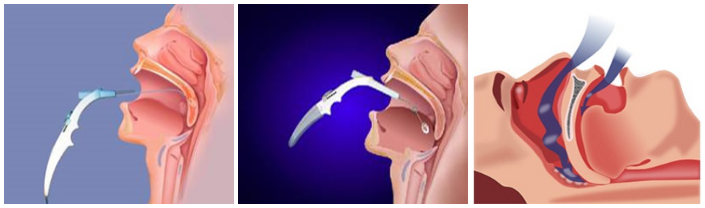
sounds of snoring occur when there
is an obstruction to the free flow
of air through the passages at the
back of the mouth and nose. This
area is the collapsible part of the
airway where the tongue and upper
throat meet the soft palate and
uvula. Snoring occurs when these
structures strike each other and
vibrate during breathing.
In
children, snoring may be a sign of
problems with the tonsils and
adenoid
Snoring can lead to
disrupted sleep, daytime tiredness
and poor concentration – both for
the person who snores and anyone
sleeping close by.
Why is
Snoring a serious
problem..? Socially snoring
can make the snorer an object of
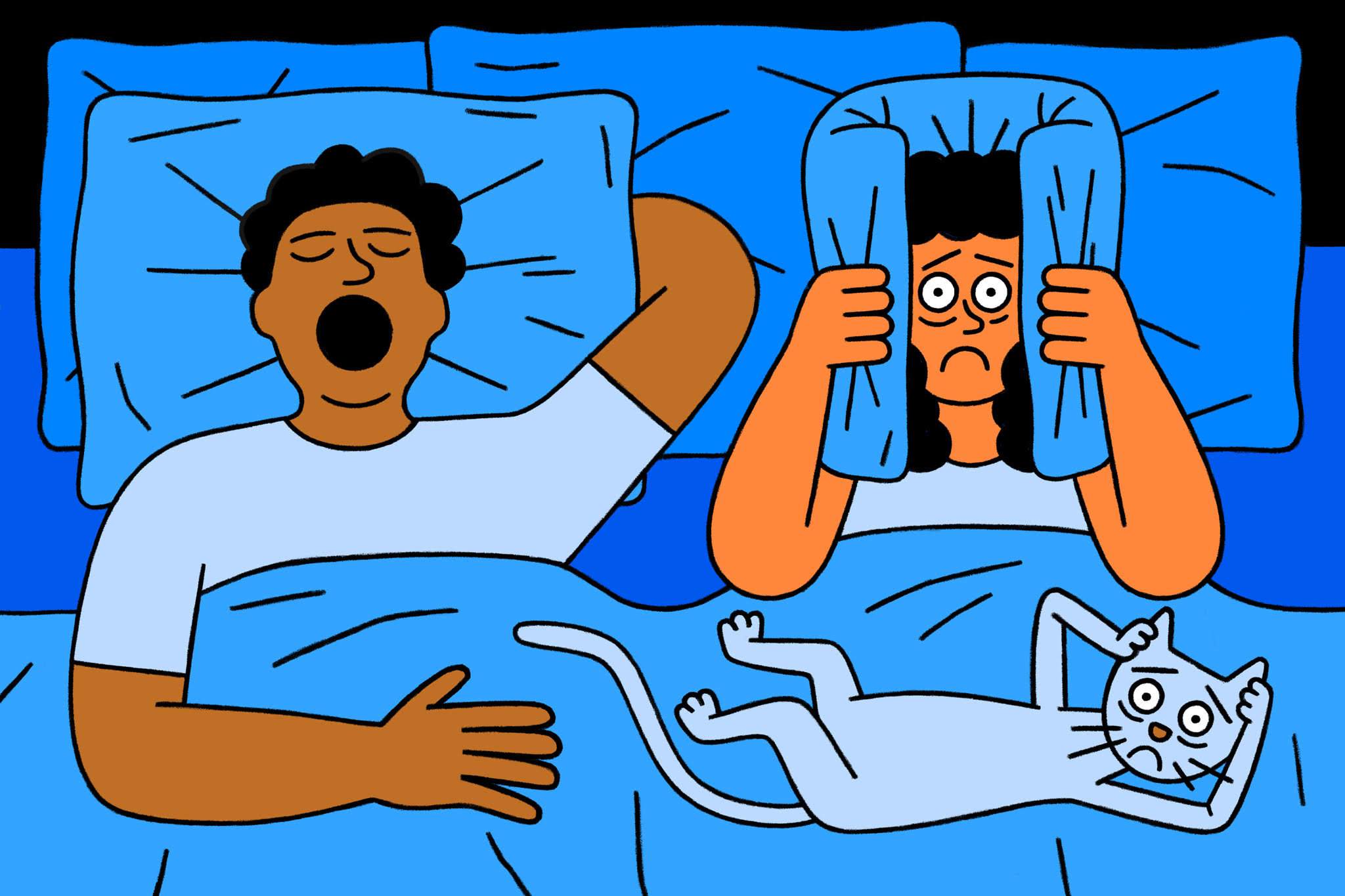
ridicule and can cause the bed
partner to experience sleepless
nights and fatigue.
Medically:
It disturbs sleeping patterns and
deprives the snorer of adequate
rest. It may be a sign of
obstructive sleep apnea (OSA), which
can lead to serious, long-term
health problems including cardiac
problems.Hence snoring has to be
taken as a serious
illiness
Management of Snoring : At Juvekars Snoring Clinic we have the latest Radio Frequency machine to treat snoring. Radiofrequency tissue reduction is a procedure for shrinking redundant tissue. It is used to reduce the volume of an enlarged soft palate and uvula as a treatment for habitual snoring. Unlike surgery or laser techniques, radiofrequency technique uses very low energy to create finely controlled coagulative zones underneath the mucosal layer. These zones are naturally resorbed by the body, altering the tissue structure by reducing excess tissue.
Recovery
after Radiofrequency treatment
: After the surgery,
most people report a little pain,
such as a mild sore throat, that
lasts 1 or 2
days
Radiofrequency
palatoplasty or for base of tongue
is usually performed in a
doctor’s office, and many
people return to work and other
regular activities in about 2
days.
The effect of
Radio-Frequency treatment is usually
achieved after 3 weeks.
Obstructive
Sleep
Apnea :
Obstructive
sleep apnea, or OSA, arises from
what is basically a mechanical
problem. During sleep the
patient’s tongue falls back
against his or her soft palate, and
the soft palate and uvula fall back
against the back of the throat,
effectively closing the
airway.
Why this blockage
occurs is some people and not others
is not clear. The condition appears
to develop more frequently among
people who sleep on their back, are
middle-aged, are overweight, and are
male. The differences are relative,
however. OSA is seen in both sexes
and in patients of all body types,
ages, and favored sleeping
positions.
Flaccidity of the
tongue and throat muscles results
from improper or inadequate
signaling from the brain.
OSA
left is a serious matter. In many
cases it leads to debilitating
daytime sleepiness, morning
headaches, depression, and a general
sense of unwellness.
Over time
it gives rise to high blood
pressure, heart disease, strokes,
diabetes, and other life-threatening
and life-shortening diseases.